Smart Steps to Plan, Select, and Manage an Insulation Project That Lasts
Homeowners and facility managers alike benefit from a clear playbook when scoping insulation work. Start by mapping problem zones room by room, noting drafts, temperature swings, and humidity pockets. Then align those observations with access constraints in attics, crawlspaces, and mechanical chases. This early diligence narrows choices and helps you brief prospective contractors with specifics, reducing guesswork and future change orders.
Beyond that, verify building enclosure priorities before material talk begins. Walls and rooflines operate as a system, so air sealing strategy should be discussed alongside thermal upgrades. Ask how penetrations will be treated and how ventilation will be protected or improved. Proper sequencing—air seal first, insulate second—sets a standard that supports comfort gains while protecting assemblies from unintended moisture traps or bypasses.
Meanwhile, assess which materials align with your project’s risk profile and maintenance appetite. Spray foam insulation can deliver air control and R-value in tight spaces, while blown-in cellulose insulation offers retrofitting flexibility over existing areas. Rigid foam insulation excels at exterior or attic deck applications when continuous coverage is needed. Each option has differing cure times, access needs, and disposal implications, affecting schedule and site readiness.
However, budgeting should reflect the full lifecycle, not only first cost. Include removal of degraded or contaminated material, disposal fees, air sealing labor, and post-install inspections. Insulation Removal Contractor work can reveal hidden gaps, wiring issues, or duct leaks, so maintain a contingency line. Good estimates define square footage by zone, state assumed depths and densities, and clarify whether baffles, hatches, and flues receive specific treatments.
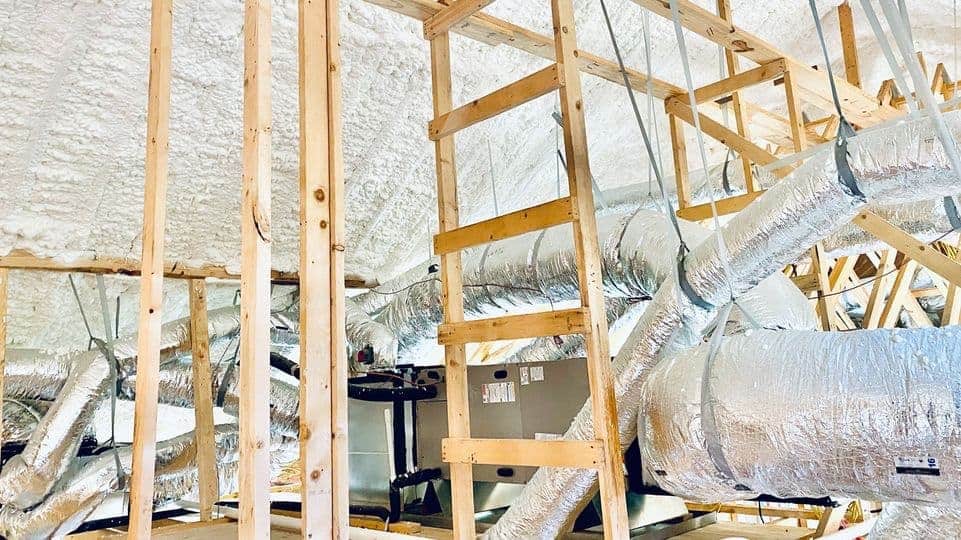
Often, attic insulation becomes the anchor scope, but ducts can undermine results if ignored. Duct insulation upgrades and sealing reduce conductive and leakage losses that otherwise dilute attic gains. Request pressure testing before and after work to validate improvements. Document register counts, trunk lengths, and accessible runs so installers can stage materials efficiently and avoid mid-job delays.
Then, plan for moisture management alongside thermal targets. Attic mold prevention starts with balanced ventilation, reliable bath and kitchen exhausts, and sealed ceiling penetrations. In practice, baffles at eaves, insulated and weatherstripped hatches, and properly flashed recessed lights are small details that protect the assembly. Ask who owns these steps in the workflow and how they will be verified during the final walkthrough.
Next, schedule with seasonality in mind to buffer disruption and enhance results. Cooler months highlight drafts and stratification, making diagnostics clearer, while dry conditions reduce moisture risks during open assemblies. For businesses, phase work around occupancy, isolating zones and maintaining egress. Residential projects benefit from staging material drops, protecting flooring, and setting dust controls before the first bag or board enters.
Additionally, refine quality checks that matter most. Specify target depths for blown materials and require rulers or depth markers across the field. Calibrate expectations for foam lift thickness, adhesion, and trimming tolerance. Validate coverage at edges, chases, and transitions where performance commonly falters. Photos, simple checklists, and an annotated plan set make closeout smooth and establish a baseline for later service.
Finally, maintenance planning preserves gains. Keep records of insulation types, locations, and access points for future trades. Inspect after roof work, HVAC replacements, or electrical additions to ensure pathways weren’t opened. If pests, water events, or renovations occur, recheck R-values and air barriers. A light annual attic look-in, paired with filter and vent upkeep, sustains efficiency without major effort.
In summary, choosing among insulation services is only one decision in a broader process. When you sequence assessment, material selection, moisture control, and post-work validation, comfort and durability reinforce each other. Whether the solution involves blown-in fiberglass insulation in an attic or targeted duct sealing, the goal remains the same: a safer, calmer, more predictable interior environment with fewer surprises over its service life.